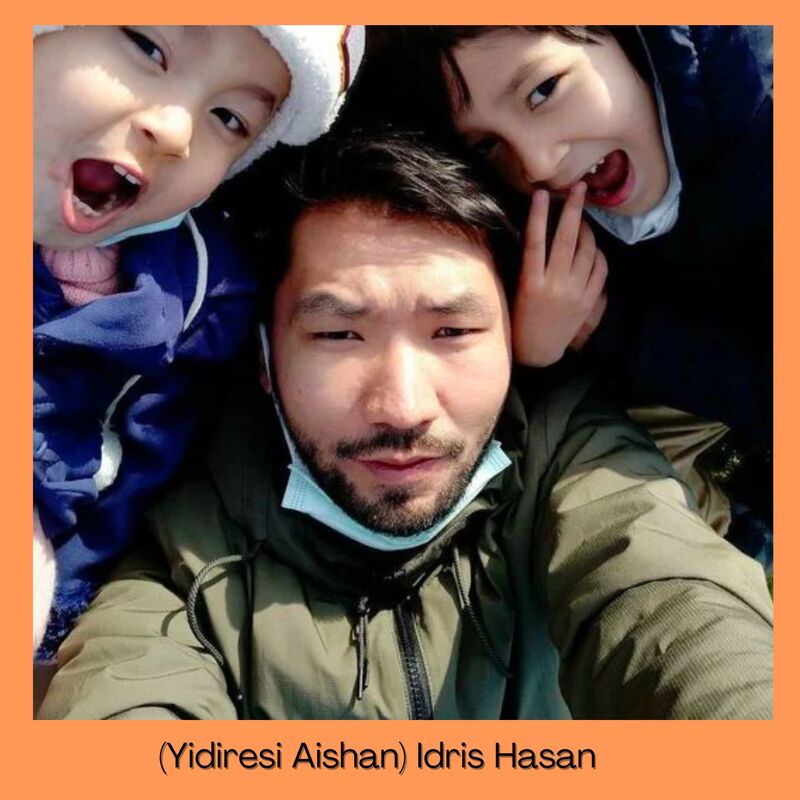
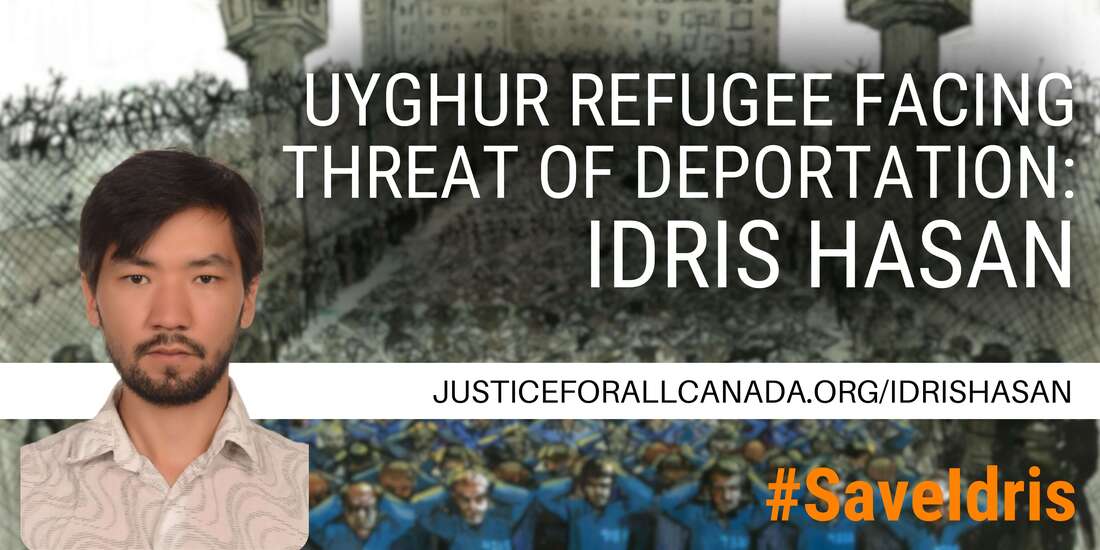
Idris Hasan has finally been released after years of unjust detention in Morocco. His case was a powerful example of transnational repression targeting Uyghur refugees worldwide. While his release is a victory, Idris’ future remains uncertain. Uyghur activists globally continue to face deportation threats, surveillance, and repression. Justice for All Canada urges continued vigilance to ensure his safety.
“Why Was He Targeted? The Reality of Uyghur Targeting”
2008: Idris Hasan was 20 years old and studying at the Chinese Petroleum University in China, he and three of his friends were arrested and subjected to torture. Their Uyghur identity made them appear suspicious outside Chinese-Occupied East Turkestan (also known as Xinjiang Uyghur Autonomous Region). After his release, Idris’ interactions with Radio Free Asia led to continuous police interrogations within China.
2012: Hasan decided to leave the country with his wife. Upon arriving in Turkey, Hasan used his graphic design skills to assist Uyghur rights groups. While his wife received approval for humanitarian residence, Idris faced multiple arrests in Turkey between 2014 and 2021.
2021: Hasan discovered his name on a Turkish government document regarding China's wanted Uyghurs in Turkey, which led him to flee the country. However, Idris was arrested after landing at Casablanca airport in Morocco due to an Interpol Red Notice. In August that year, the Red Notice by Interpol was cancelled, bringing some relief.
December 20, 2021: The United Nations Committee Against Torture (CAT) intervened with a formal request to Morocco, demanding that Idris Hasan not be extradited while his case was under review. This marked a critical turning point as Morocco was bound by international law to comply.
July 2022: One year after his detention, a coalition of 45 human rights organizations, including Amnesty, Human Rights Watch, and the World Uyghur Congress, launched a global campaign calling for Idris Hasan’s release. They warned that extradition would set a dangerous precedent for Uyghur refugees worldwide.
July 2023: On the second anniversary of his detention, human rights defenders intensified diplomatic efforts, urging Morocco to drop the extradition order. The MENA Rights Group and Safeguard Defenders pressed the United Nations Working Group on Arbitrary Detention (WGAD) to declare his continued imprisonment a violation of international law.
July 2024: After nearly three years of legal battles, the United Nations Committee Against Torture (CAT) issued a final ruling that Morocco must not extradite Idris Hasan and should release him in the absence of any charges. This decision placed direct international pressure on Moroccan authorities to act.
February 12, 2025: Following sustained advocacy and diplomatic intervention from multiple governments, Moroccan authorities annulled the extradition order and released Idris Hasan from detention after nearly 43 months behind bars. He was granted refugee status under UNHCR protection and was later resettled in a safe third country.
2012: Hasan decided to leave the country with his wife. Upon arriving in Turkey, Hasan used his graphic design skills to assist Uyghur rights groups. While his wife received approval for humanitarian residence, Idris faced multiple arrests in Turkey between 2014 and 2021.
2021: Hasan discovered his name on a Turkish government document regarding China's wanted Uyghurs in Turkey, which led him to flee the country. However, Idris was arrested after landing at Casablanca airport in Morocco due to an Interpol Red Notice. In August that year, the Red Notice by Interpol was cancelled, bringing some relief.
December 20, 2021: The United Nations Committee Against Torture (CAT) intervened with a formal request to Morocco, demanding that Idris Hasan not be extradited while his case was under review. This marked a critical turning point as Morocco was bound by international law to comply.
July 2022: One year after his detention, a coalition of 45 human rights organizations, including Amnesty, Human Rights Watch, and the World Uyghur Congress, launched a global campaign calling for Idris Hasan’s release. They warned that extradition would set a dangerous precedent for Uyghur refugees worldwide.
July 2023: On the second anniversary of his detention, human rights defenders intensified diplomatic efforts, urging Morocco to drop the extradition order. The MENA Rights Group and Safeguard Defenders pressed the United Nations Working Group on Arbitrary Detention (WGAD) to declare his continued imprisonment a violation of international law.
July 2024: After nearly three years of legal battles, the United Nations Committee Against Torture (CAT) issued a final ruling that Morocco must not extradite Idris Hasan and should release him in the absence of any charges. This decision placed direct international pressure on Moroccan authorities to act.
February 12, 2025: Following sustained advocacy and diplomatic intervention from multiple governments, Moroccan authorities annulled the extradition order and released Idris Hasan from detention after nearly 43 months behind bars. He was granted refugee status under UNHCR protection and was later resettled in a safe third country.
Prisoners Of Conscience Face Grave Human Rights Violations
The plight of Idris Hasan exemplifies the widespread human rights abuses endured by Uyghurs, particularly activists and dissenters. This section summarizes some of the human rights violations facing Idris right now, providing insight into the larger pattern of systemic repression and injustice against Uyghurs defending their communities.
Arbitrary Detention
|
Extradition Threats
|
Transnational Repression
|
Non-Refoulement
|
Demands For Uyghurs Unjustly Detained
IMMEDIATE DEMANDS |
LONG TERM DEMANDS |
IMMEDIATE RELEASE of Uyghur refugees, asylum seekers and activists from arbitrary detention, due to the lack of legal justification and due process. |
RAISE INTERNATIONAL AWARENESS, urging governments, human rights organizations, and individuals to speak out against arbitrary detention and extradition. |
HALT POTENTIAL EXTRADITION to China due to risk of persecution, including denial of a fair trial. |
ENGAGE DIPLOMATIC PRESSURE on governments and diplomatic bodies to pressure states to reconsider extradition and respect their international obligation to protect human rights. |
ENSURE SAFETY AND PROTECTION, recognizing the threat of transnational repression by Chinese government authorities. |
MONITOR INDEPENDENT LEGAL PROCEEDINGS of prisoners of conscience to ensure transparency, fairness, and adherence to international human rights standards. |
GRANT ASYLUM for Uyghur prisoners of conscience and recognize the need to protect them from persecution and human rights abuses. |
ACCOUNTABILITY FOR HUMAN RIGHTS VIOLATIONS, urging international bodies to investigate and hold perpetrators accountable. |
SUPPORTIVE MEASURES and assistance: legal representation, access to family and medical care, protection for family members. |
- |
Useful Links and Resources
|
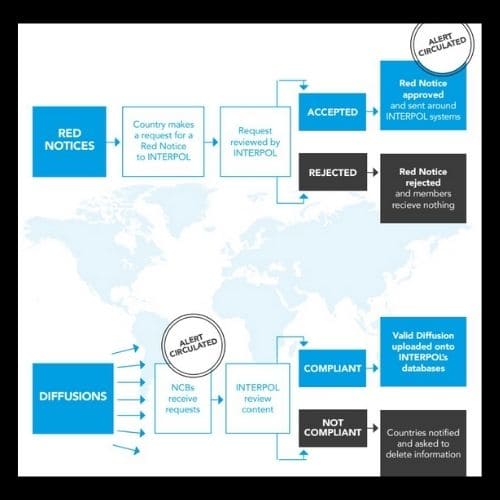
According to Human Rights Watch, the Interpol red notice system used to capture Idris Hasan is often issued to silence criticism of China’s government. This resource dives into the red notice system.
REPORT: No Room to Run |
|
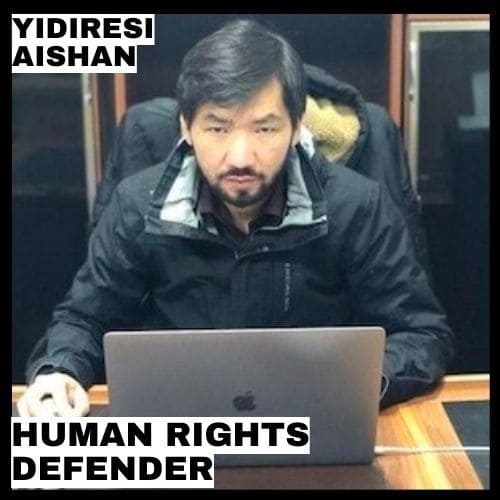
Idris Hasan is hailed as a human rights defender by many. His case has gained international attention, with organizations such as Amnesty, Human Rights Watch, and Front Line Defenders (FLD) advocating for his rights.
Front Line Defenders: YIDIRESI AISHAN |
|
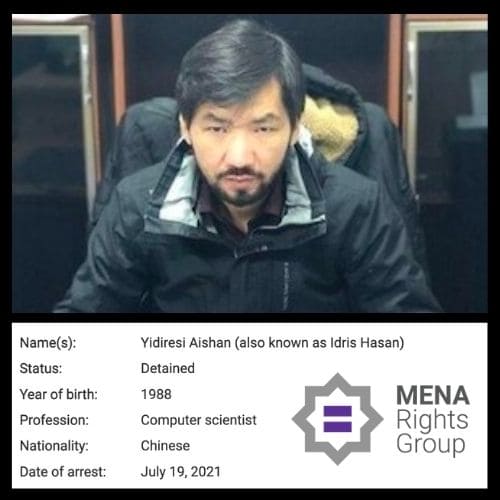
MENA Rights Group and Safeguard Defenders urged the UN Committee against Torture (CAT) to request interim measures from the Moroccan authorities on December 20, 2021. Access MENA’s profile page dedicated to Idris.
MENA: Idris Hasan Case |